
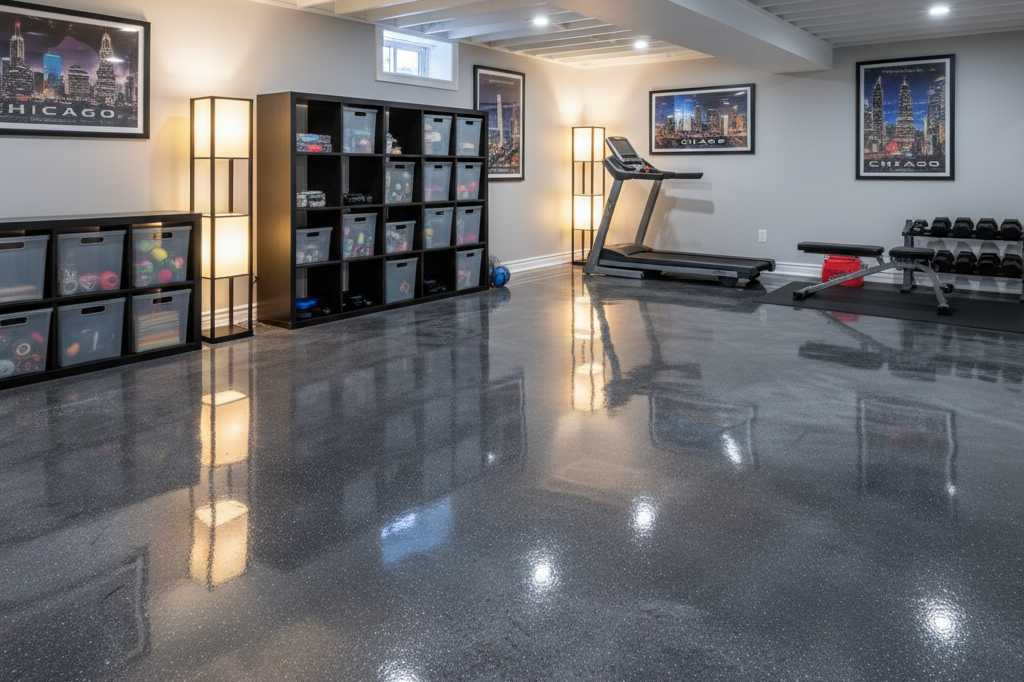
If you’ve been dreaming of giving your garage, basement, or workspace a serious upgrade, you’ve probably come across the buzz around the resin epoxy floor trend—and for good reason. Epoxy has become one of the most popular ways to turn a dull, dusty concrete surface into something that looks sleek, polished, and surprisingly tough. Homeowners love it for the durability. Contractors love it for the versatility. And anyone who’s ever dealt with peeling paint or stained concrete loves it simply because it lasts.
But here’s the thing: even though resin epoxy floors look seamless and simple, there’s a lot to know before jumping in. How does it actually hold up? What are the real pros and cons? And what kind of maintenance does it take to keep that glossy finish looking its best?
In this guide, we’re breaking everything down in the clearest, most practical way possible so you can decide whether epoxy is the right choice for your space. By the end, you’ll understand how the material works, what to expect during installation, and how to care for it long-term—whether you’re planning a DIY project or considering hiring professionals. Many homeowners also explore options from garage floor epoxy installers when they want a high-quality finish without the stress of doing it themselves.
Let’s dive in and see if a resin epoxy floor truly lives up to the hype.
What Exactly Is a Resin Epoxy Floor? Understanding the Basics

Before deciding whether epoxy is the right fit for your home or garage, it helps to understand what this flooring actually is—and why so many people swear by it.
At its core, a resin epoxy floor is created by mixing two main components: epoxy resin and a hardener. When these two ingredients are combined, they trigger a chemical reaction that transforms the liquid mixture into a solid, ultra-strong surface. This isn’t the same as regular paint or a simple sealant—it’s a flooring system designed to bond tightly to concrete and create a smooth, durable finish that can handle daily wear and tear.
How Epoxy Coatings Work
Think of it like a protective shell for your concrete. Once the resin and hardener cure, they form a surface that’s resistant to scratches, chemicals, stains, and even heavy loads. That’s why epoxy is so popular in garages—it’s strong enough to handle hot tires, tool drops, spills, and constant foot traffic without breaking down the way paint or cheap coatings do.
Where Epoxy Floors Make the Biggest Impact
One of the best things about epoxy is how versatile it is. While garages are the most common place to install a resin epoxy floor, they’re far from the only space that benefits from it. Home gyms, laundry rooms, workshops, basements, and even commercial or industrial settings use epoxy because it looks good and holds up under pressure. Anywhere you want a cleaner, brighter, longer-lasting surface, epoxy becomes an easy contender. That’s why people often start their search with floor coatings near me to find local experts who can recommend the right system for their space.
Different Types of Epoxy Flooring Systems
Not all epoxy floors are the same—far from it. Many garage floor epoxy installers tailor these systems depending on the space and durability needs.
-
100% Solid Epoxy – The strongest and longest-lasting option, often used by professional installers for heavy-duty applications.
-
Water-Based Epoxy – A thinner, more beginner-friendly option typically found in DIY kits, though not as long-lasting.
-
Metallic Epoxy – Known for its swirling, high-end finish that almost looks like liquid metal.
-
Flake or Chip Systems – Popular in garages, these include decorative flakes that add color, texture, and slip resistance.
Each type delivers something different—whether you’re after style, durability, or both. And once you understand these basics, it becomes much easier to figure out which epoxy system fits your space, your lifestyle, and your budget.
The Pros: Why Resin Epoxy Floors Are Worth Considering
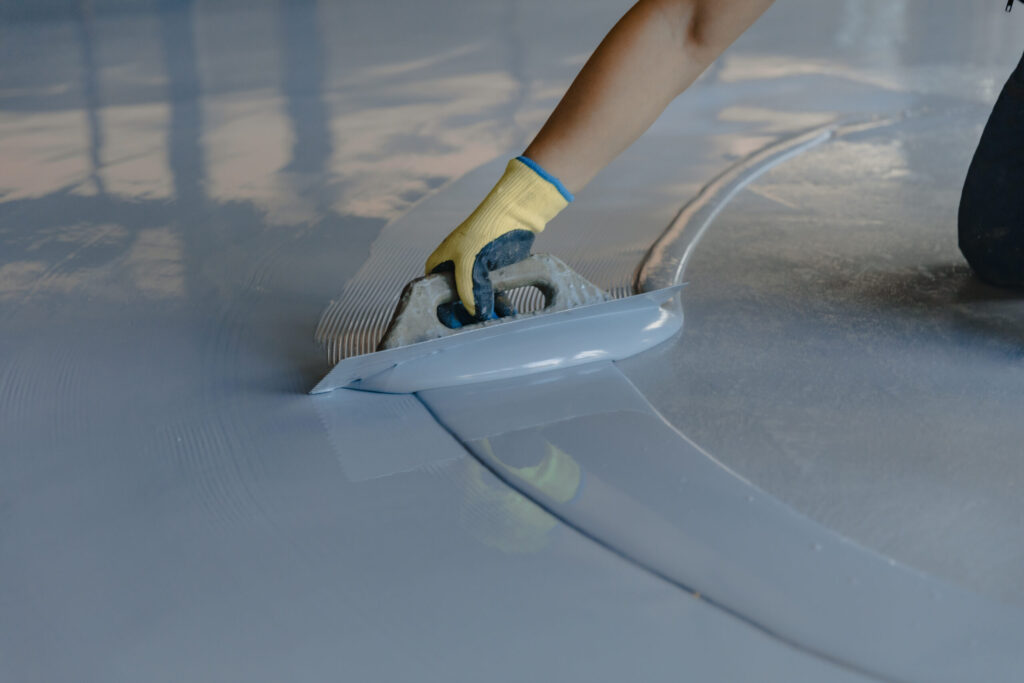
When homeowners start looking for a floor that can handle daily wear without constant upkeep, the resin epoxy floor quickly becomes a top contender. Its combination of strength, style, and longevity makes it one of the most reliable choices for garages, basements, and workspace upgrades. Let’s break down why so many people choose epoxy—and why it continues to grow in popularity year after year.
Built-In Durability That Outperforms Most Floors
One of the biggest reasons people love epoxy is its strength. Once the resin and hardener cure, the surface becomes incredibly resilient. It can take on the weight of vehicles, the impact of dropped tools, and frequent foot traffic without chipping or peeling. Unlike simple concrete paint, which often wears away with time, a resin epoxy floor forms a tough barrier that bonds tightly to the concrete underneath.
This durability makes it ideal for busy garages and high-use areas where floors take a beating. And when the job needs to be done right, homeowners often rely on garage floor coating contractors near me to ensure the surface is properly prepared and installed for maximum strength.
A Seamless Surface That Makes Cleaning Almost Effortless
If you’ve ever dealt with concrete stains or the constant dust that settles on unfinished floors, epoxy will feel like a breath of fresh air. Because the coating creates a smooth, non-porous surface, spills stay on top rather than soaking in. Oil, chemicals, dirt, and debris can be wiped or swept away without much effort. Even in a workshop or garage where messes are part of daily life, maintaining a clean, polished look becomes much easier.
Style Options That Transform Your Space
One of the most surprising perks of a resin epoxy floor is how customizable it is. Many people imagine epoxy as just a glossy gray finish, but the design possibilities go far beyond that. You can choose solid colors, decorative flakes, matte finishes, or even metallic effects that create a swirling, marble-like look. This flexibility lets homeowners match their floor to the rest of the space or create a standout design that completely changes the atmosphere of the room.
Long-Term Value That Justifies the Investment
Although epoxy may cost more upfront than a basic paint job, it pays off over time. Its durability means you won’t need to recoat, repair, or replace it nearly as often as other flooring options. Add in the low maintenance requirements and the aesthetic upgrade, and it becomes clear why so many homeowners see epoxy as a long-lasting, worthwhile improvement. A finished garage or basement also boosts the overall appeal of a home, making it feel cleaner, more modern, and more functional.
A resin epoxy floor isn’t just a cosmetic upgrade—it’s a practical, durable, and value-adding transformation for any room that needs a reliable surface. With its blend of performance and style, it’s easy to see why epoxy continues to be one of the most trusted flooring choices today.
The Cons: What to Know Before Installing Epoxy Flooring
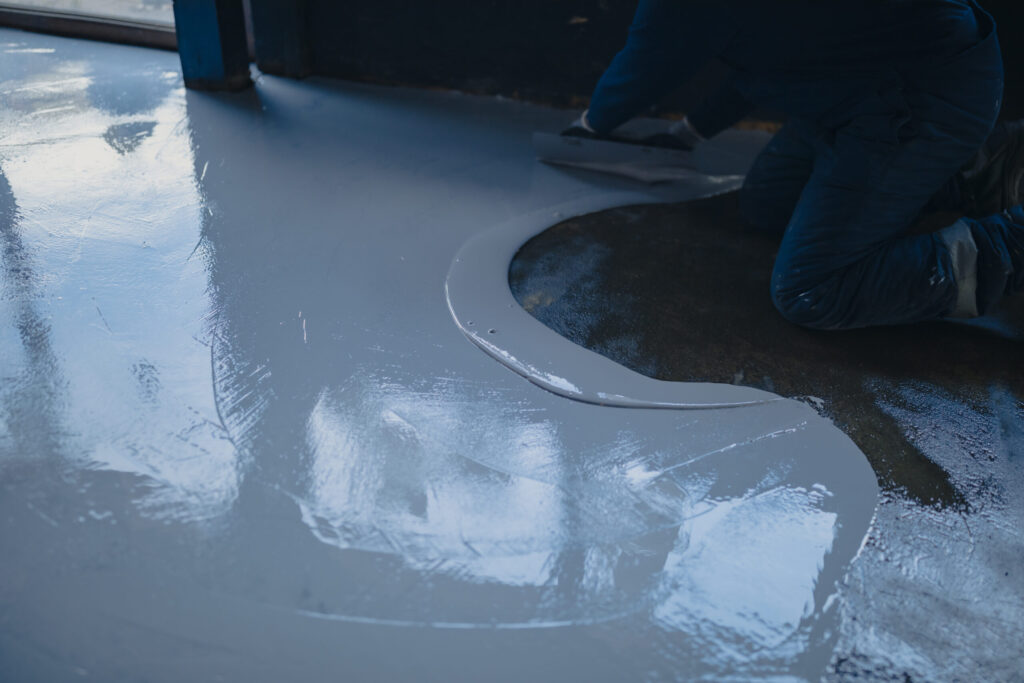
As great as a resin epoxy floor can be, it’s not a one-size-fits-all solution. Like any home improvement project, there are a few drawbacks to keep in mind so you can make a fully informed decision. Understanding these challenges upfront helps you avoid surprises and ensures you choose the flooring system that truly fits your needs.
Preparation Takes Time, Effort, and Precision
One of the biggest downsides of epoxy flooring isn’t the epoxy itself—it’s the prep work. Concrete has to be thoroughly cleaned, repaired, leveled, and sometimes even ground down before the coating can be applied. If any dirt, moisture, or residue gets trapped beneath the surface, the epoxy may not adhere properly. That can lead to peeling, bubbling, or weak spots later on. This is why many homeowners choose to hire professionals rather than attempt the job on their own. Installing a resin epoxy floor looks simple on the surface, but the quality of the prep determines how well the floor performs over time.
It Can Be Slippery Without Additives
Because epoxy creates a smooth, glossy finish, it can become slippery when wet—especially in garages where rainwater follows your car inside or in areas where spills are common. The good news is that installers can add texture or anti-slip materials to the topcoat, making the floor much safer. Still, it’s an extra consideration to think about if you’re planning to use epoxy in a high-traffic or moisture-prone area.
Temperature and Humidity Can Affect Installation
Epoxy doesn’t like extreme temperatures or excess moisture during installation. If it’s too hot, too cold, or too humid, the curing process can be disrupted, leading to defects in the finish. This means timing matters. Depending on your climate, you may need to plan around certain seasons or weather conditions. In some cases, professionals will use specialized tools and materials to control moisture levels or speed up curing, but it’s still something to be aware of if you’re hoping for a quick weekend project.
Potential for UV Yellowing in Sunlit Areas
While epoxy is incredibly durable, it does have a weakness: UV exposure. Over time, strong sunlight can cause the surface to yellow or discolor, especially if you use a clear or light-colored coating. This makes epoxy less ideal for outdoor spaces or rooms with large windows and direct sun exposure. However, many installers use UV-stable topcoats to minimize this issue. It’s not a complete dealbreaker, but it’s definitely something to keep in mind when choosing where to install your resin epoxy floor.
Even with these drawbacks, many homeowners find that the pros of epoxy far outweigh the cons. The key is knowing what to expect upfront so you can plan accordingly and avoid common mistakes. When installed properly and used in the right setting, epoxy delivers results that are tough to beat.
How to Maintain a Resin Epoxy Floor for Long-Lasting Performance

Once your resin epoxy floor is installed and looking its best, the next step is making sure it stays that way. The good news is that epoxy is one of the easiest flooring types to maintain, but a few simple habits go a long way in keeping that smooth, glossy surface in top shape.
Regular cleaning is the foundation of good maintenance. Dust, dirt, and small debris can create fine scratches over time, so a quick sweep or light vacuum once or twice a week keeps the surface clear. When it’s time for a deeper clean, warm water and a mild, pH-neutral cleaner are all you really need. Harsh chemicals aren’t necessary and can actually dull the shine if used too often.
If your epoxy floor is in the garage, placing mats under tires helps reduce heat transfer and prevents marks from hot rubber. For workshops or home gyms, adding felt pads or rubber cushions under heavier equipment will minimize pressure points. And while epoxy is resistant to stains, wiping spills promptly ensures they don’t leave residue behind.
With just a little routine care, your resin epoxy floor can maintain its durability and high-end look for years, making your space feel cleaner, brighter, and more polished every day.
Also Read: How Long Does Garage Floor Epoxy Last? What You Should Know Before You Install
Is a Resin Epoxy Floor the Right Upgrade for Your Space?
Now that you’ve explored the ins and outs of epoxy flooring—from how it works to its benefits, challenges, and long-term value—it’s easier to see why so many homeowners are making the switch. A resin epoxy floor brings together durability, style, and practicality in a way that transforms a simple concrete slab into a clean, polished, and highly functional surface. Whether you’re upgrading a garage, refreshing a basement, or creating a more organized workspace, epoxy offers a reliable foundation that’s built to last.
Of course, deciding whether epoxy is right for your home depends on your space, your expectations, and how much maintenance you’re willing to take on. But for most people looking for longevity and a professional finish, epoxy proves to be one of the smartest investments they can make.
If you’re ready to take the next step, consider exploring local installers, getting quotes, or diving deeper into the types of epoxy systems available. A little research now can help ensure you get a floor you’ll love for years to come. And who knows—your next home improvement project might just start with a seamless, shiny epoxy surface under your feet.